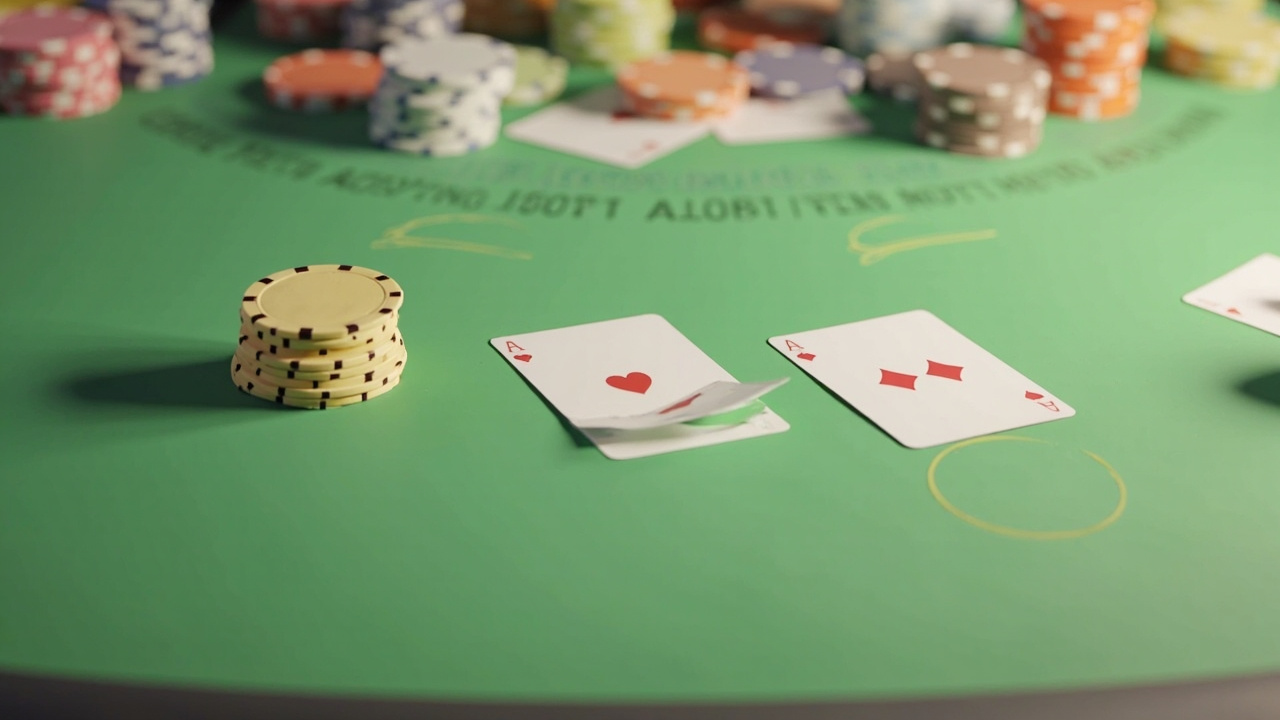
Reading a table layout before you put chips in is how seasoned locals separate a fun arvo from a costly mistake. The pace at a busy Brisbane casino can feel frantic, but the rules still hold up if you know what each button actually does. This glossary keeps your head clear so you can weigh decisions properly, not just follow the dealer’s cadence. If you want a lighter switch after the felt, you can always play bigger bass bonanza slot, though that’s a different machine entirely.
Once you’ve mastered the table, you might find yourself drawn to the digital reels where the action is just as fast. Many punters head online to play bigger bass bonanza slot when they want a break from the floor noise. You can check out the details at play bigger bass bonanza slot.
Counting the Decisions That Shape Your Hand

Let It Ride is built around three bets and one surrender, and the glossary terms around those moves decide whether you’re playing with discipline or just hoping the cards turn. The “bet” is the base wager, usually three units behind your chips, while “pull” refers to taking back one bet when the first three cards don’t look promising. A “hold” is the opposite: you leave a bet in play because the potential payout justifies the risk. The “paytable” shows what each final five-card hand returns, and you should read it before you sit down, because the top hand and the intermediate payouts vary between operators. A “dealer qualification” note matters too, since some versions only pay if the house hand meets a minimum rank. When you’re tracking your own session, it helps to compare the table’s edge against a structured model like Moneyball, where every line item is weighed against expected value rather than gut feel. If you want a broader read on how terminology shifts between live and digital tables, poker terms explained for smarter online play is a useful companion piece, especially when you’re moving between a physical felt and a screen.Poker terms explained for smarter online
- Bet: the base wager placed before any cards are dealt.
- Pull: removing one of your three bets when the initial three cards look weak.
- Hold: keeping a bet in play because the hand still has genuine upside.
- Paytable: the printed or digital chart showing payouts for each final hand.
- Dealer qualification: the minimum hand strength the house must show before payouts apply.
Reading the Fine Print Before You Sit Down
The glossary terms around the table are only half the picture; the operator’s rules around them decide whether a our web page session stays controlled or turns expensive. Licensing is the first marker you should check, because an Australian-facing operator needs a visible licence number, a clear jurisdiction, and a stated complaint pathway before you put real money behind a hand. Security is the next layer, and that means seeing whether the site or venue uses encrypted connections, segregated player funds, and a published privacy policy that tells you what data they keep and what they delete. Support matters when a hand is misread or a payout looks off, so look for a staffed channel that answers in plain English and logs your case, not just a chatbot that loops you back to the FAQ. Responsible-play tools should be easy to find inside your account, with deposit limits, time-outs, and self-exclusion options that actually stop a session rather than nudging you to keep going. When I’ve reviewed payment stacks at operator scale, the tell is consistency: the same currency, the same settlement window, and no surprise fees that appear only after you’ve won. As Ethan Gibson, Chief Financial Officer, Harbour City Gaming Review, puts it, “A glossary is useful only if the operator’s terms behind it are stable; players should check whether the paytable, the withdrawal rules, and the bonus mechanics all line up before they commit.” If you’re comparing venues around Brisbane, the ones that publish their limits upfront and answer support queries without dragging it out are usually the ones where your bankroll behaves itself.
Knowing When to Fold and When to Walk Away
The last cluster of glossary terms is about control, and that’s where most sessions go sideways if you’re not watching the clock and the balance.“Rake” is the house cut in some live or networked versions, and it quietly erodes edge over a long afternoon, so you should know whether your table applies it and how often.“Session limit” is the figure you set before you start, and it should be a number you’re willing to lose without chasing, not a target you expect to beat.“Time-out” is a short break built into your account or your own routine, and it’s useful when the table pace feels too fast or the drinks are flowing faster than your decisions.“Self-exclusion” is the harder lever, and it’s the one you pull when a pattern is forming rather than after a bad beat. An operator’s view is usually that these tools are there for players who want them, and a regulator’s view is that they should be visible by default, not buried behind three menus. As Aaron Edwards, Customer Experience Lead, Pacific Player Protection Institute, notes, “Players who set a session limit before they sit down are far less likely to chase a bad run, and the glossary terms around limits only matter if the operator actually enforces them.” If you’re weighing a venue or a site, the right question is whether the controls are easy to find, easy to set, and easy to keep, because a glossary that sits on a page is only useful when the table and the account both respect it.